
 EN
EN
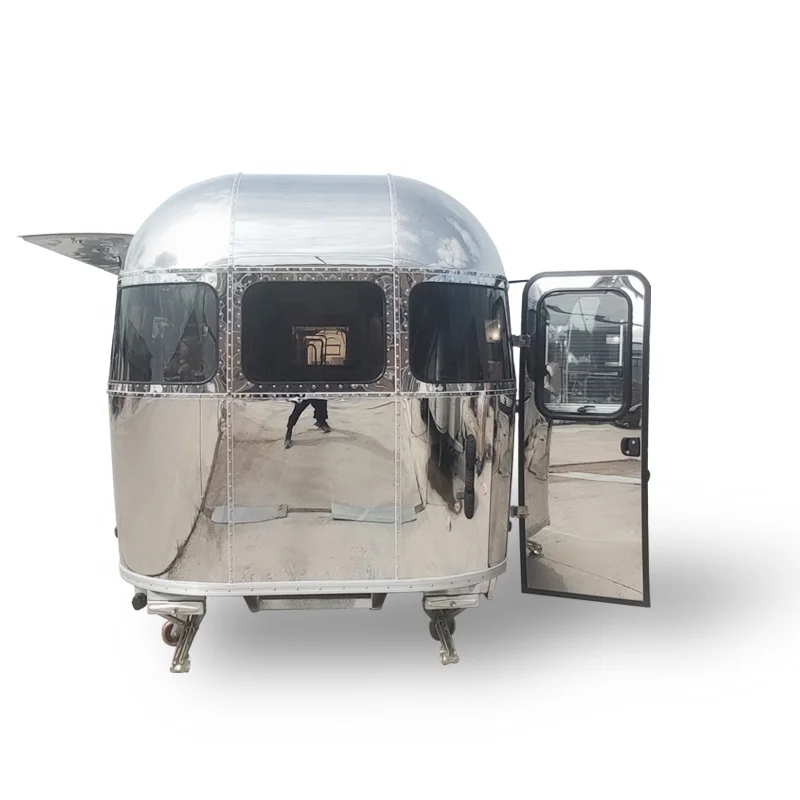
Running a food trailer is fun, but don’t forget to follow the rules. If you own a food trailer then holding to the health and safety laws is a must in order to keep your customers safe. We at NantongMaiche know how vital these rules are to follow. It’s critically important to know how to keep your food trailer legal and safe when you’re getting started, or even if you’ve been in operation for a while. This way you can learn the essential things about what is actually going to keep your food trailer functional on the freeways.
How to Make Sure You Have A Health Compliant Towable Food Trailer
There are several things you’ll need to check to get your food trailer compliant with health regulations. First, every food trailer requires an active permit to operate. You will have to ask your local health department what you’ll need. Rules differ from place to place, sometimes bewilderingly. After you have your permit, be sure that the equipment on your trailer is appropriate. You should also have a working fire extinguisher, clean water and some way to store food at the correct temperature. Having a place to wash your hands is also essential. Remember that clean tools not only help keep food safe. You should always inspect your food truck frequently. Check that the refrigerator and freezer are functioning properly. Nobody wants to discover rotten food! It’s not just food safety but it is also maintaining a good image for your business. Following all these steps, it aids you in establishing a trust with the customers. They will feel safe and enjoy eating your food. Don’t forget to keep all of your licensing and inspections current. If you don’t know where to begin, look into joining a local food truck association. They can assist you in finding out the most current health and safety regulations. You will also be able to network with other food trailer owners that can share their tips and advice, and theirs’ based on hands on experience.
Wholesale Food Trailer A - Non-Compliance
There are numerous compliance headaches that food trailer wholesalers can be faced with. One of the common problems is the misinterpretation of food safety rules. Occasionally, new operators will believe they know the rules or are familiar with regulations, but tend to miss key components. For example, they may not know the proper temperatures for food storage nor how to handle food prior to serving. Another issue is a lack of proper paperwork. Some operators fail to re-up their licenses, or the license expires without them realizing it. The result can be fines and even a shutdown for their business. In addition, there are very specific rules about just where a food trailer can park and sell its food. Other towns may have some other set of rules governing where food trailers can serve takers. If you don’t play by these rules, you could find yourself in hot water with local authorities, who can and will mess up your business. Those that don’t may be subject to more frequent inspections by health officials. Preparing for inspection is key. Good staff training in food handling and cleaning can help greatly. Frequently checking the regulations keeps you from being surprised, and it also prevents problems. As with any business, another key to successfully running a wholesale food trailer company is organization and staying informed about food safety laws. If you stay informed, it well help you build a good reputation that makes your customers trust you.
The Guide to Local Laws for Operating a Towable Food Trailer
If you decide to set up a Towable food trailer, you need to know the regulations in your area. Each place has laws that may vary, so you have to do a little homework. Begin by consulting with your city or county government. They generally have websites where you can learn more about food trucks and trailers. Seek sections on permits and licenses. A license is a special piece of paper that says you have permission to sell food. Some might also require you to have a food handler’s license. This demonstrates that you know how to keep food safe and clean. Confirm, too, whether you need to inquire about health inspections. Because that’s the moment when someone from the government stops by to check whether your food trailer is clean and safe for cooking.
Another important decree you should know about, Ansa reports, includes where you can park your trailer. In some places, there are certain locations where food trailers are allowed to operate. If you park in the wrong place, you could get a ticket or be asked to move. Always inquire about local zoning regulations. Zoning laws dictate what places are permissible for businesses. You should not want to pitch your tent where you can’t. But if you don’t know, stop by the business office in your area. They can help you navigate the things you need to do in order to work legally.
At NantongMaiche, we think that a sound grasp of local rules is crucial for success. It’s not just selling food, it is doing it right so you can stay in business. If you take the time to research and understand these rules, you’ll be able to operate your airstream food trailer more easily without being paranoid over possibly breaking the law.
How A Towable Food Trailer Is Legally Roadworthy For A Wholesale Business?
To ensure your Towable food trailer is safe to take on the road, it needs to be up to code. First, check the trailer’s weight. Every towing vehicle has a maximum load it can, well, tow. Ensure your trailer does not weigh more than that limit, or you may run into trouble on the road. You must register your trailer Next, your trailer will need to be registered. This means you must have a license plate and title proving ownership of the trailer. Registration typically locks you in with a fee, so be sure to look out for that.
Also essential to being roadworthy good tires and working brakes on your trailer. Worn out tires can cause accidents, brakes that fail to work can result in danger as well. You should periodically examine these parts for wear and proper condition. Safety lights and signals also should operate properly. This includes those for turning, braking and whatever other lights you may have on at night. These lights can get you pulled over by the police if they are broken and that’s never a good thing.
NantongMaiche knows you need a Trailer Parts company that goes the Distance to help keep you on the road. You may also want to look at your insurance policy. The right insurance covers you in an accident. After confirming your trailer is road safe, you’re ready to get out on the open road and serve some delicious meals!
Guide to Get Your Towable Food Trailer Ready for Fast Compliance Checks
Designing your Towable food trailer with adherence checks in mind can keep you organized and out of hot water. Begin by consolidating all of your important papers. This includes but is not limited to your licenses, health inspection reports and registration. Keep it in a binder or folder that you can quickly grab. That way, if a health inspector or police officer stops by, you can easily present your papers.
And cleanliness begets compliance. Clean your trailer from both inside and outside. Cleaning on schedule prevent health issues, and it says that you really care about your business. Be sure to have a trash disposal option so your trailer doesn’t get dirty. You’ll also want to ensure that all equipment used to cook is safe and in good repair. This will involve looking for leaks, cracks or rust. If you tend to your things, they pass inspection better.
It’s also a great practice to have some type of checklist that you can work on with tasks that need done daily or weekly. This might involve checking your food supplies, cleaning and making sure your equipment is still in good working order. At NantongMaiche, we understand how preparation can keep ease into your business. If you do these things, checks for compliance will blend into the background of your normal work pattern, and you can concentrate on selling delicious food that makes people happy without worrying too much about rules. When everything is organized and up-to-date, you will build trust with your customers, and that’s so crucial if you want to be successful.
Table of Contents
- How to Make Sure You Have A Health Compliant Towable Food Trailer
- Wholesale Food Trailer A - Non-Compliance
- The Guide to Local Laws for Operating a Towable Food Trailer
- How A Towable Food Trailer Is Legally Roadworthy For A Wholesale Business?
- Guide to Get Your Towable Food Trailer Ready for Fast Compliance Checks