EN
EN
Food Truck: A Mobile Feast Scenic Line
On the streets and alleys of cities, colorful and fragrant food trucks are becoming a unique sight in modern urban life. These flexible and convenient mobile food trucks not only add vitality to the city but also bring convenient and delicious dining experiences to people.
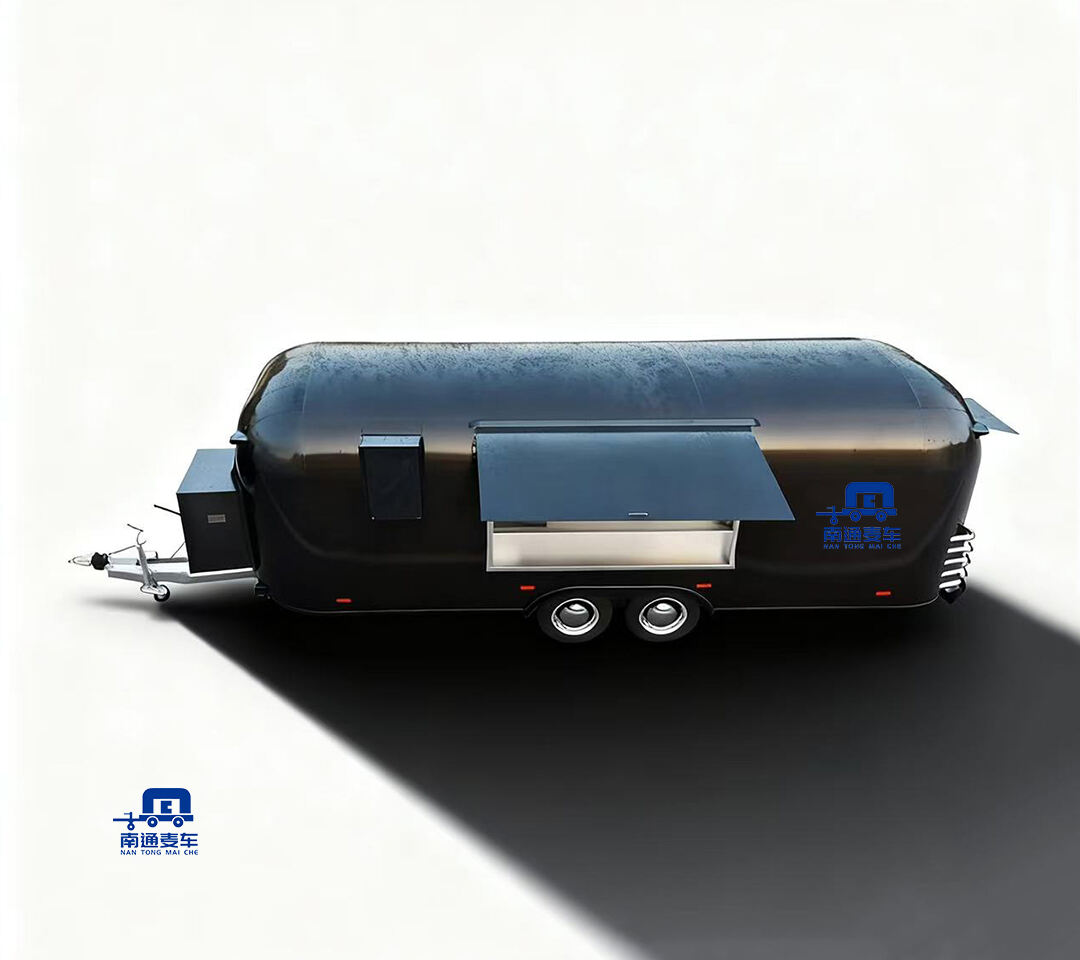
From the appearance, modern food trucks are carefully designed, being both beautiful and practical. The body is usually in a bright color scheme, with eye-catching brand logos and menu displays, making it easy for people to identify. The interior space is small but fully equipped, with professional cooking equipment, refrigeration facilities, and cleaning systems to ensure that the food production process meets hygiene standards.
The greatest advantage of food trucks lies in their flexibility. Operators can adjust their business locations flexibly according to the traffic volume at different times and in different areas. In the morning, they can provide quick breakfast for office workers in the business district; in the afternoon, they can move to the surrounding office buildings to supply simple meals; in the evening, they can come to parks or squares to provide snacks and beverages for leisure and entertainment groups.
In terms of menu selection, food trucks often focus on specialty cuisine. Some specialize in traditional snacks, such as pancake rolls and meat sandwiches; others innovate and introduce fusion cuisines to meet the demands of young consumers for novelty. Standardized operation procedures ensure the stability of the product quality, while affordable prices make the food accessible.
For entrepreneurs, food trucks are an ideal starting point for entering the catering industry. Compared to traditional restaurants, food trucks have lower investment costs, less operational pressure, and controllable risks. At the same time, it is also an effective way to promote brands and accumulate customer resources. Many successful catering brands started from a food truck and gradually grew and expanded.
With the improvement of urban management, food truck operations are becoming increasingly standardized. Various regions have successively introduced relevant management regulations, clearly stipulating requirements for food truck operating qualifications, hygiene conditions, parking locations, etc. This not only protects the rights and interests of consumers but also creates a favorable environment for the healthy development of the food truck industry.
Nowadays, food trucks are no longer just simple street food stalls but have evolved into a new type of catering business model. They attract consumers of all ages with their unique charm, satisfying the taste buds while injecting more vitality and warmth into the city.