
 EN
EN
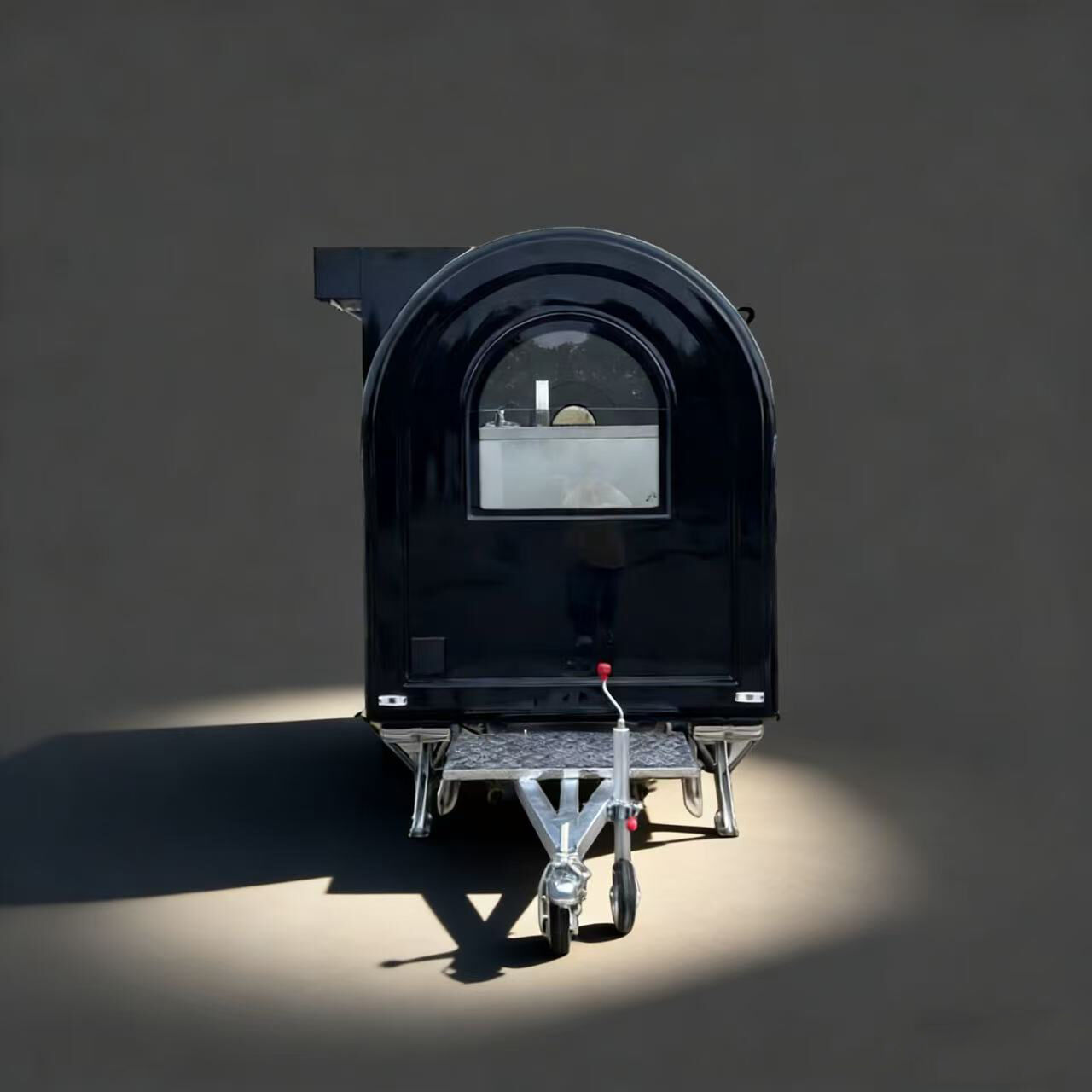
Kaya ngapa milih papan kanggo mobil restoran? Pandhuan praktis kanggo wirausahawan
Nalika ekonomi "pinggir dalan" saya panas lan pemulihan "pasar wengi" saya maju, tambah akeh wong biasa sing ndeleng truk pangan mobile minangka pilihan utama kanggo usaha biaya murah. Mung karo mobil modifikasi, siji set piranti masak, lan sawetara jajanan khas, seseorang bisa miwiti bisnis cilik dhewe.
Nanging kanyataane: sawetara entuk ewonan yuan saben dina, nanging liyane kudu nutup lapak sawise telung dina - bebendhine asring ora ana ing produk, nanging ing papan lokasi.
Kaya pepethah ngandika: "Pitulas saka kasuksesan gumantung marang papan, lan telulas liyane gumantung marang operasi." Kanggo truk panganan, milih papan sing pas ora mung nemtokake arus para langganan, nanging uga mangaruhi kepatuhan, tingkat tuku maneh, lan kelangsungan urip jangka panjang. Artikel iki bakal mbongkar logika inti lan metode operasi pemilihan lokasi truk panganan kanthi sistematis saka perspektif praktis lan nyedhiyakake penjelasan lengkap kanggo sampeyan.
Siji、 Pisanan, takon telung pitakonan penting
Sadurunge milih papan kanthi buta, mangga cethakake poin-poin ing ngisor iki dhisik:
1. Sapa para pelanggan target sampeyan? (Pekerja kantor? Murid? Pecinta jajanan wengi? Ibu-ibu?)
2. Adegan konsumsi apa sing cocog karo produk sampeyan? (Cepet laris? Sosial? Pokok?)
3. Pirang periode saben dina sampeyan bisa mbukak lapak? (Sepanjang dina? Jam-jam sibuk esuk lan sore? Mung akhir minggu?)
Mung kanthi mangsuli pitakonan-pitakonan iki kanthi cetha sampeyan bisa ngindhari kesalahan "mandheg nalika akeh wong".
Contone: Yen sampeyan dodol teh jeruk buatan tangan regane 15 yuan sabiji lan para pelanggan sasaran sampeyan yaiku wong enom umur 18-30 taun, mula sekolah, pasar budaya kreatif, lan trotoar pinggir kali luwih cocog tinimbang lawang pasar sayur.
Kaping pindho, Catur paramèter kanggo milih lokasi tambang emas
1.Akurasi lalu lintas > Volume pengunjung total
Ora babapa akeh wongé; nanging babapa akeh "wong sing pas".
- ✅ Wewengkon konversi dhuwur: Wewengkon istirahat mangan siang gedhing kantor, wilayah saubengé kantin universitas, lawang metu koridor transfer kereta bawah tanah, lawang mlebu pasar malam;
- ❌ Wewengkon arus rendah efisiensi: Samping dalan utama (panglalu lintas ora mandheg), titik priksa tiket obyek wisata (wisatawan langsung menyang daya tarik), halte bus transit murni.
Tip: Perhatosna menawa kerumunan iku "bebas, sugih, lan butuh" - pelancong nganggo ransel, pegawe kantor sing nggawa tas kerja, pasangan mlaku bebarengan - kabeh iki dadi para pamilih potensial sing duwe daya tuku dhuwur.
2. Durasi manggen lan karepe konsumsi
Mobil warung mbutuhake para pamilih ngelehke sesaat kanggo ngrampungake proses pesenan, njupuk panganane, lan mangan (utawa mbungkus). Mulane:
- Kapisan, pilih lokasi sing duwe ruang buffer cukup. :Kaya ing pinggir alun-alun, samping jalur ijo, lan trotoar sing ora ana ing dalan utama;
- Pertama, Hindharana nggawé stan ing jalur pejalan kaki utama, amarga ora mung ngganggu lalu lintas, tapi uga angel nggayuh efek kumpul.
Uga dicathet :
- Pegawe kantor biasane mung duwe istirahat mangan awan 30 nganti 45 menit. Dhèwèké luwih seneng produk sing disajikake cepet lan regane transparan ;
- Saat wengi, para konsumen luwih menehi perhatian marang pengalaman lan siap mbayar unsur "suasana" lan "populer".
3. Persaingan lan Papan Kosong
Ora ana persaingan ora mesthi tegese posisi sing apik; iku bisa uga nuduhake panggonan kanggo tuntutan sing kurang ;
Nanging, ing wewengkon kang duwe 10 utawa luwih penjual truk panganan, bisa wae kedadeyan perang rega.
I kondisi tawaran :
- Ana 2 nganti 3 truk panganan pelengkap cedhak (contone, yen sampeyan dodol jajanan, bakal ana barbekyu lan kue dadar cedhak), mbentuk "kluster panganan".
Utawa identifikasi celah ing segmentasi pasar (contone, yen ora ana santapan sehat utawa camilan tanpa gula ing pasar malam kabeh).
S sugesti: Gunakake peta mobile kanggo nyari "pasar malam" lan "dalane mangan", sarta nindakake panliten lapangan kanggo nyathet jinis pesaing, rega, lan kahanan antrean.
Telu、 Rekomendasi lokasi panggonan kanggo macem-macem jinis produk
|
jinis Produk |
Skenario paling apik |
Wektu buka sing disaranake kanggo losmen |
|
Panganan sarapan (bakpao, sega ketan, susu kacang soya) |
Pintu metu stasiun sepur cepet, lawang mlebu sekolah dhasar lan menengah, lawang mlebu taman industri |
Wektu esuk |
|
Panganan cepet siang (nasi isi, mie) |
Komplek gedhong kantor, wilayah ing sakubenge sekolah kejuruan/universitas, zona panggone pabrik |
Wektu tengah dina |
|
Cemilan kanggo bengi (kentang goreng, sosis panggang) |
Pemerintah wis nentukan pasar wengi, dalan bar, lawang mlebu pasar wengi ing wilayah padhet, lan lintasan lari wengi ing taman |
Wanci sore |
|
Jiwitran sing kondhang ing internet/panganan manis |
Kaki limasan distrik komersial, taman budaya, ruang ijo pesisir kali, situs festival musik / acara pasar |
Sakabehe dina (karo fokus ing akhir minggu) |
|
Pangan sehat lan entheng / pangan rendah kalori |
Cedhak saka gym, ing wilayah panggonan mewah, lan ing wanahe para pegawe kantor berkumpul |
Wanci ngetan + Wanci sawise kerja |
Empat、 Paninjauan lapangan
Sadurunge lunga, siapake "formulir panilaian lokasi" lan isi nilaine sacara langsung ing lokasi. :
- Apa arus wong tetep stabil ing wektu esuk, awan, lan sore? ?
- Apa porsine kelompok pelanggan sasaran luwih saka 60%? ?
- Apa ana ruang parkir/los sing cukup (paling ora 2m ×2m) ?
- Apa ana pesaing padha cedhak? Jumlahe (utawa ukurane) ?
- Apa kerep ana inspeksi dening petugas tata kota? Apa ana risiko keluhan pedagang ?
- Apa lokasi kasebut dumunung ing wewengkon sing diidinake kanggo nggawe los dening pemerintah ?
Pangamatan sing ditindakake ing wektu sing padha sakolahe telung dina berturut-turut luwih dipercaya tinimbang mung mbisiki rasa
Lima、 Strategi Tingkat Lanjut: Saka Mobilitas menyang "Semi-Stabilitas"
Awalé, kagiyatan marang pangujian lan kasalahan terus-terusan kanggo ngonfirmasi produk lan model ;
Sawise wilayah tuku maneh sing dhuwur diidentifikasi, seseorang bisa nyoba :
- Kolaborasi karo manajemen properti kanggo dadi "kendharaan sarapan pratima" komunitas ;
- Ajokake nomor lapak tetep ing pasar wengi ;
- Gabung karo aliansi pasar lokal lan pastekake jadwal sing stabil
Nalika gerobak panganan sampeyan wis dadi pemandangan akrab ing lokasi tartamtu, kapercayan lan reputasi bakal dibangun kanthi alami
E epilog
Miwiti bisnis gerobak panganan ora mung mbutuhake ketrampilan, nanging uga pemahaman babagan ruang kutha lan wawasan babagan prilaku wong
Milih lokasi sing pas bisa ngirit wektu setengah taun; milih pojokan sing salah bisa ngilangi semangat mung sajrone telung dina 记
Catetan: Bisnis sing apik ketemu ana ing papan sing pas.
Muga-muga truk pangananmu mandheg ana ing patemoning lalu lintas lan kembang api, sarta mlaku menyang bisnismu dhewe sing cilik nanging ayu.